MAKING DISTRIBUTION GRIDS SMARTER


Project location
Rosenheim, Germany


Year of implementation
2025


Application
Load management, power quality


Hardware
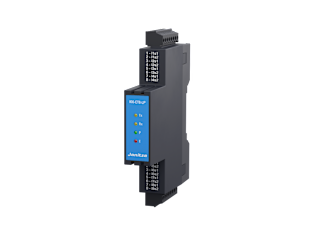
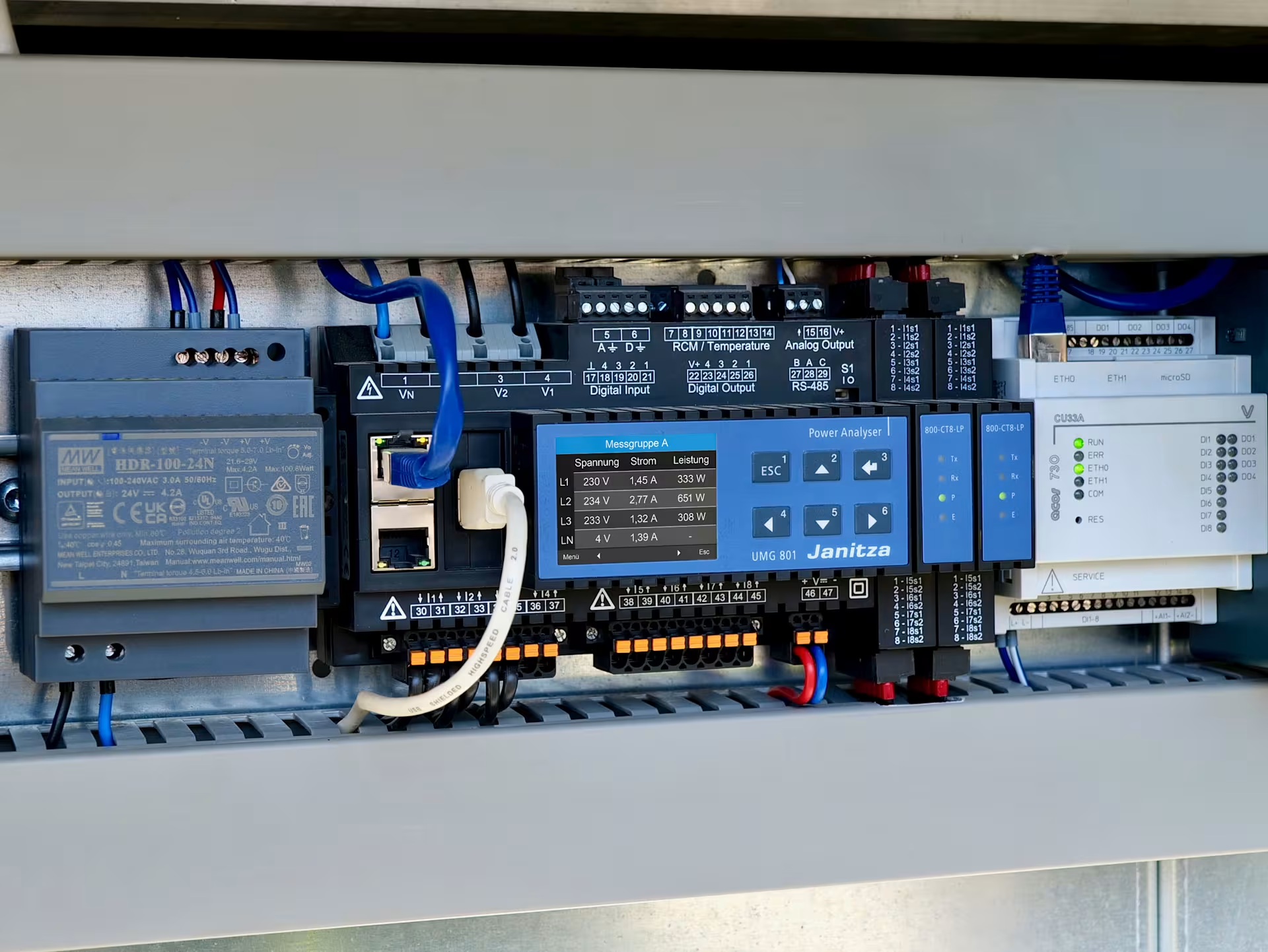
UMG 800, UMG 801, 800-CT-8-LP


Software
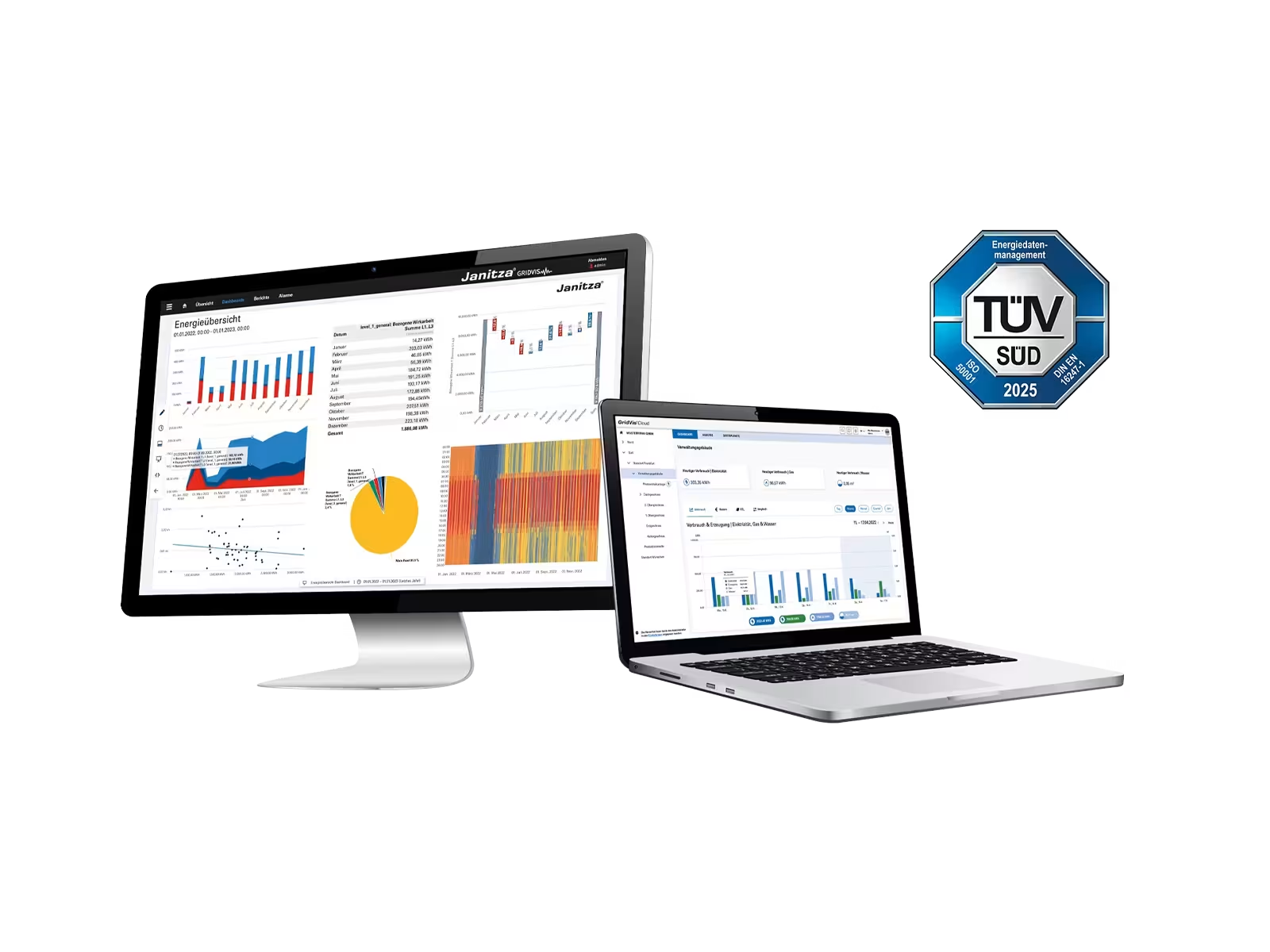
GridVis®


Service
Planning and engineering

REQUIREMENT
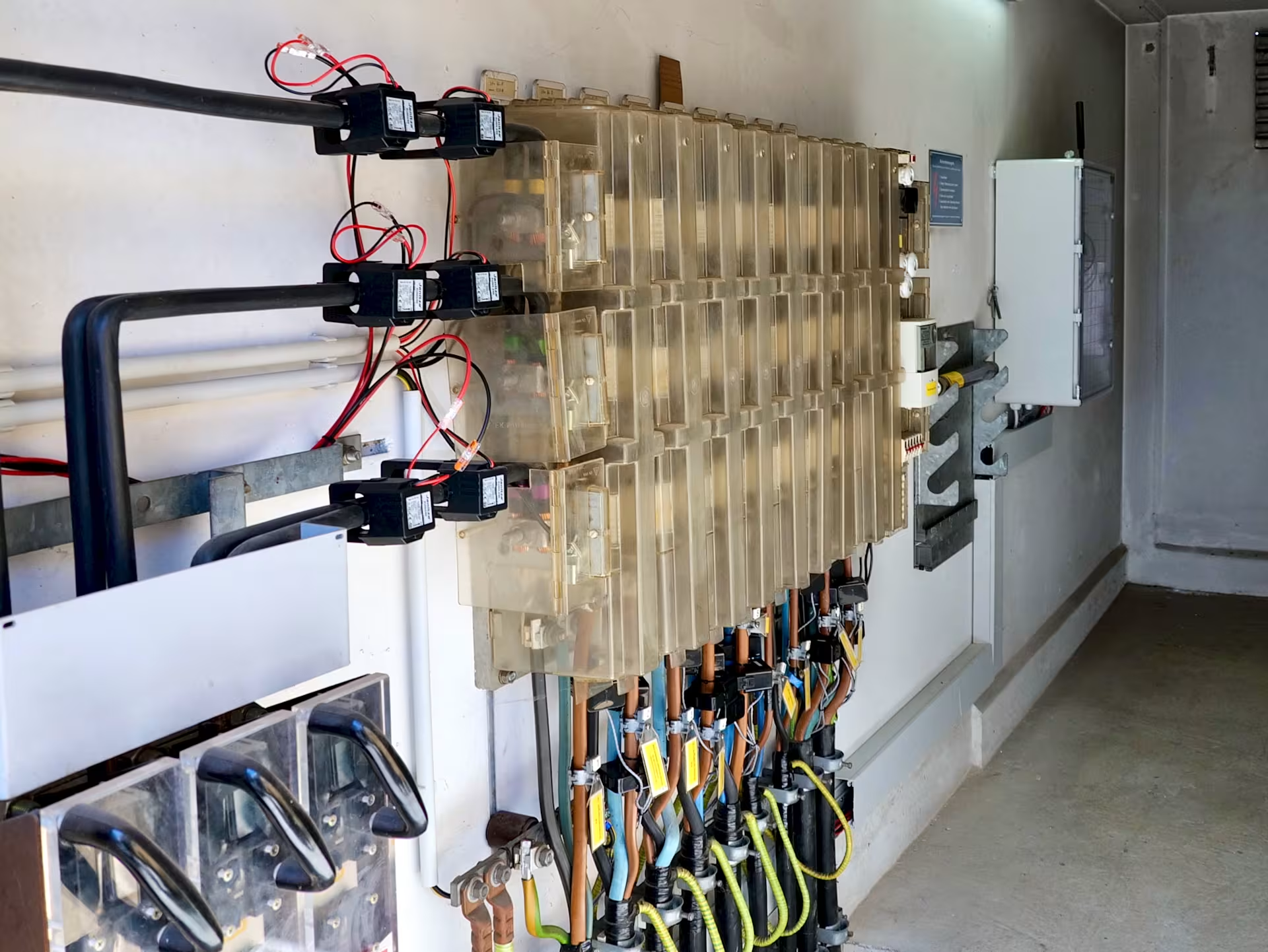
The energy transition, the expansion of distributed generation, and the growing use of electric mobility and electric heating are creating new challenges for distribution grid operators. At the same time, Section 14a of the German Energy Industry Act requires grid-supportive control of large loads such as heat pumps and EV charging systems. To meet these requirements, grid operators need greater transparency in their low-voltage networks. At Stadtwerke Rosenheim (SWRO), this transparency was particularly limited in older local distribution substations. The goal was therefore to comprehensively digitalize around 400 substations, creating visibility into load flows, power quality, and critical grid conditions. At the same time, the solution had to be compact, cost-effective, and easy to retrofit.
SOLUTION
SWRO relies on Janitza measurement technology and software to digitalize its local distribution substations. The regional utility has been working with digital substations since 2012 and is now systematically expanding the concept across its network. Another driver is the introduction of new control systems for the medium- and low-voltage grids, bringing the electricity, gas, and water networks together in a common SCADA environment. The modular UMG 800 and UMG 801 energy and power quality analyzers are used for this purpose. They measure currents and voltages at the low-voltage feeders as well as additional operating parameters such as temperature and door contacts. A high number of measurement channels, expansion modules, and low-power current transformers enable a compact and scalable solution. Measurement data is transmitted simultaneously to the grid control systems and to the Janitza GridVis® power grid monitoring software. Supported protocols include IEC 104, Modbus TCP, and MQTT. Around half of the substations are connected to SWRO’s own communications network, while the remaining stations communicate over the cellular network. For retrofitting existing substations, SWRO and Janitza jointly developed a standardized metering enclosure. In addition to the measurement devices, it contains a power supply, remote terminal unit, modem, and UPS. The preassembled enclosures can be installed quickly and support the planned rollout within three years.

BENEFIT
By digitalizing its local distribution substations, Stadtwerke Rosenheim is laying the foundation for a transparent and future-ready distribution grid. SWRO can identify critical conditions and faults earlier and resolve them more quickly. The standardized metering enclosures also enable SWRO to retrofit older substations efficiently, while straightforward integration into existing control systems reduces implementation effort. The new infrastructure provides the basis for intelligent grid control. In the future, SWRO can control flexible loads and distributed energy resources such as PV systems more precisely. At the same time, SWRO can meet the requirements of Section 14a of the German Energy Industry Act and create the foundation for a smart grid and a digital twin of the entire distribution network.