PV Solar systems
Solar parks represent a pivotal aspect of renewable energy infrastructure, varying in scale and application to meet diverse energy demands. Together, these solar park configurations play a vital role in driving the transition towards sustainable energy systems.
Reliable and high-quality energy supply
Due to their dependency on weather conditions such as shading, temperature, or even rain or snow the energy output of solar parks varies over time. To ensure a stable power grid, it is inevitable to closely monitor and analyze energy supply as well as power quality.
Harmonics
Harmonics are primarily generated by the switching operation of power electronic devices used in PV systems, especially inverters, DC/DC converters and their associated control schemes.
As the penetration of renewable energy sources increases, the cumulative harmonic contribution can become more pronounced: multiple PV inverters may interact with the grid impedance and with each other, potentially leading to higher distortion levels, resonance effects and reduced power quality. This can affect sensitive equipment or increase losses and thermal stress in cables and transformers.
Active and reactive energy monitoring
Beyond power quality monitoring, continuous performance monitoring of the generation process is a key factor for operating PV plants efficiently.
In many control systems, operators typically see only the overall active and reactive power at the grid connection point—i.e., the total power fed into the grid and the total power consumed internally. What often remains unclear is how this performance is distributed across the site: which inverter stations, strings, or sections of the park generate above expectations, and where generation drops off or reactive power demand increases.
Fluctuations of voltage and frequency
Voltage and frequency fluctuations at the interconnected power grid are caused by the volatility of renewable energy resources, due to ever-changing weather conditions. In the low-voltage grid, voltage fluctuations are caused by rapid fluctuations in the PV system power output due to cloud transients. The larger the number of photovoltaics systems, the more important it is.
Voltage fluctuations and flicker can cause damage to electrical devices connected to the grid, and light flicker can cause annoyance and health problems for people who are exposed to it.
Critical instruments and environment
Integrating PV system to the utility grid increases the risk of a short circuit in the grid. Short circuit faults occur due to faults in the voltage channels caused by either direct or indirect contact. The short circuit endangers human safety, leads to power supply failures and damage to equipment.
Once a circuit breaker or main circuit breaker (MCB)’s trips, the reset is possible, and production continues. However, it is important to know and analyze the cause to avoid major damage and downtime.
It is also important to record the environmental conditions such as temperature and humidity that may have an impact.
Benefits of PV monitoring
Photovoltaics serve as a renewable source of energy. Yet, in order to maximize the efficiency and quality of the energy produced by PV systems, close monitoring of the entire system is essential.
Maximize your solar power production
- PV monitoring provides insights into the electricity output of your solar panels (kWh). Additionally, it maintains a record of the cumulative power generated over time, enabling historical performance analysis and comparison with past readings to identify any fluctuations between different time periods.
- Every inverter comes equipped with a built-in production monitoring feature.
Understand fluctuations in your energy bill
- PV monitoring reveals the amount of electricity your solar panels export to the grid, and how much they import from it, offering insight into any earned or utilized credits.
- This feature is especially beneficial for those with net metering agreements, enabling precise tracking of solar panel-generated power allocation during each billing period.
Increase your solar self-consumption
- PV monitoring enables solar power users to maximize their self-consumption by providing real-time data on energy production and usage patterns.
- By identifying peak production times and aligning energy-intensive activities accordingly, homeowners and businesses can use more of the solar energy they generate, thus reducing reliance on the grid and lowering energy costs.
Get the complete overview and analysis
- Advanced third-party monitoring systems use smart algorithms to turn performance and consumption data into actionable insights, giving you a clearer overall view of your energy profile. High-quality solutions compare actual output with expected performance based on local weather data and quickly flag low or zero generation.
- They also support detailed tariff settings (e.g., time-of-use, weekdays/weekends, feed-in tariffs) and can even recommend the most cost-effective energy plan.

Applications for PV parks
Janitza electronics provides basic energy analyzers suitable for seamless retrofit integration into existing facilities, alongside comprehensive monitoring solutions designed for new projects.
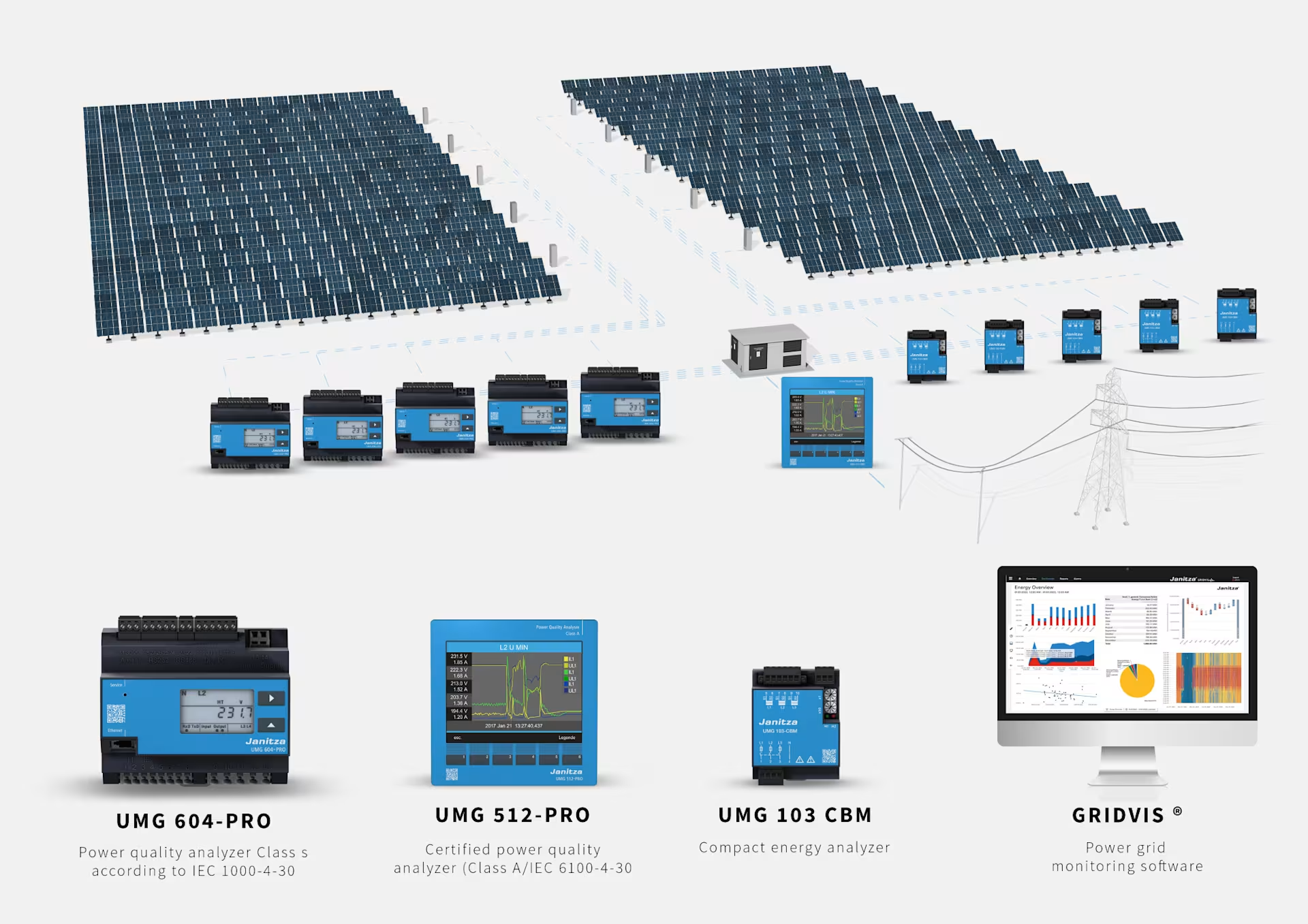
Janitza devices are designed for the central applications and functions in the PV for on-grid and off-grid measurements, such as measurement and monitoring for active / reactive power, voltage regulations and optional monitoring and communication with local smart logger or local visualization. Depending on the size of the PV park different applications need to be installed:
Differences of large, medium and local PV parks
Large PV parks (MW capacity)
with power analyzer and EMS with smart monitoring systems
Large PV parks, typically ranging into MW capacity, serve as significant contributors to grid-scale renewable energy generation, employing advanced technologies for optimal performance. Typical applications in large-scale PV parks are:
- Power quality measurement for transformer stations
- Monitoring of power generation and feedings with GridVis® power grid monitoring software
- Voltage regulations with UMG PRO device
- Power factor measurement & monitoring
- Communication with general control systems and monitoring software
Medium PV parks (30 kW – 800 kW)
with on-grid and off-grid solutions
Medium-sized PV parks, with capacities between 30 kW and 800 kW, offer adaptable solutions with both on-grid and off-grid capabilities, catering to various industrial, commercial, and community needs. Typical applications for private and commercial park operators are:
- Local power quality measurement for active / reactive power
- Voltage regulations with UMG PRO device
- Communication with general control systems and monitoring software
- Power factor measurement & monitoring
Local PV system (10 kW – 30 kW)
with on-grid and off-grid solutions
On a smaller scale, local PV systems ranging from 10 kW to 30 kW provide accessible on-grid and off-grid options, ideal for decentralized energy generation in residential areas or remote locations. At these locations, typical applications are:
- Local power quality measurement for active / reactive power
- Voltage regulations with UMG PRO device
- Energy and power measurements
- Visualization through device homepage in the PRO series devices (No EMS software needed)
- Power factor measurement & monitoring
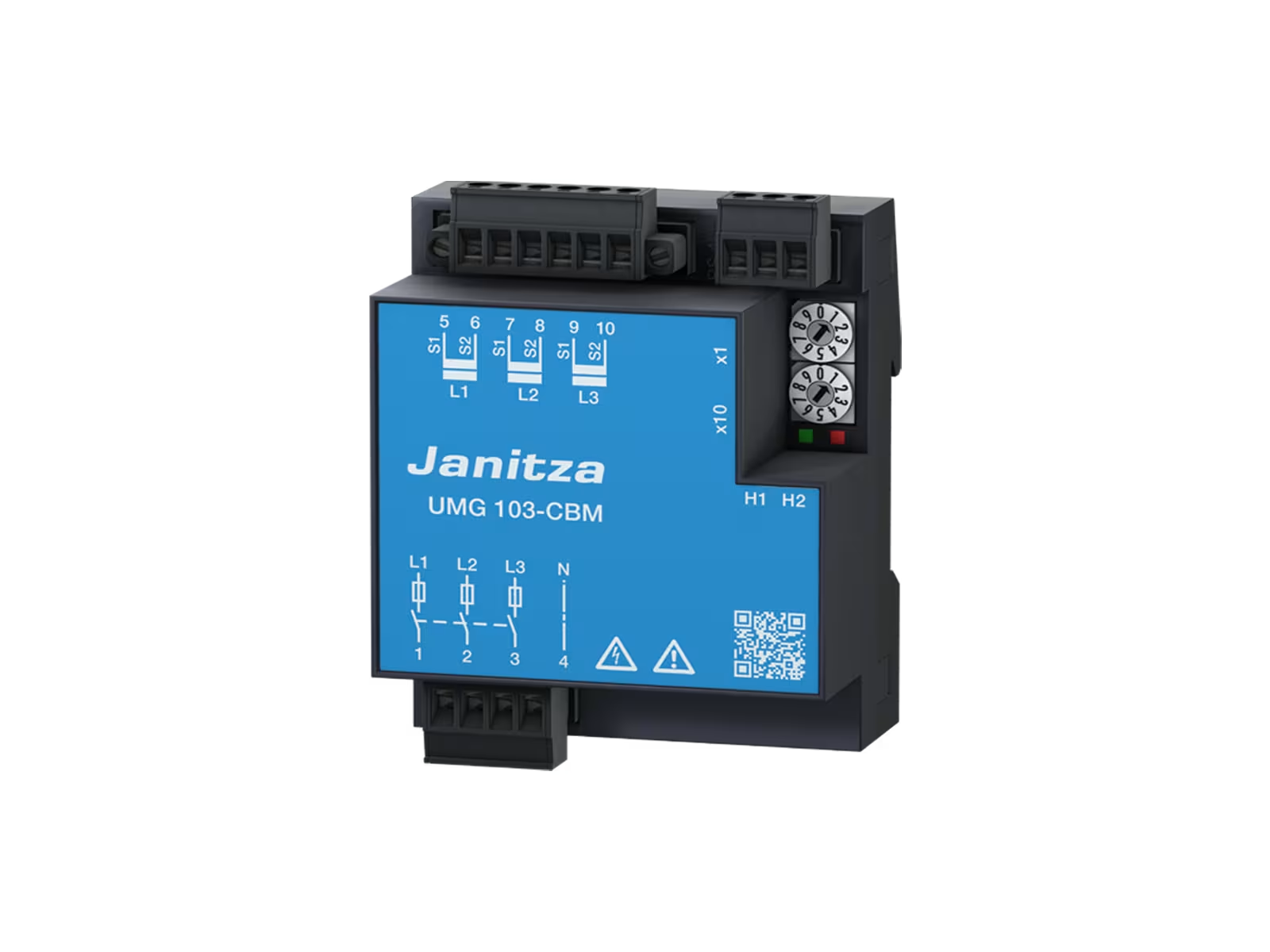
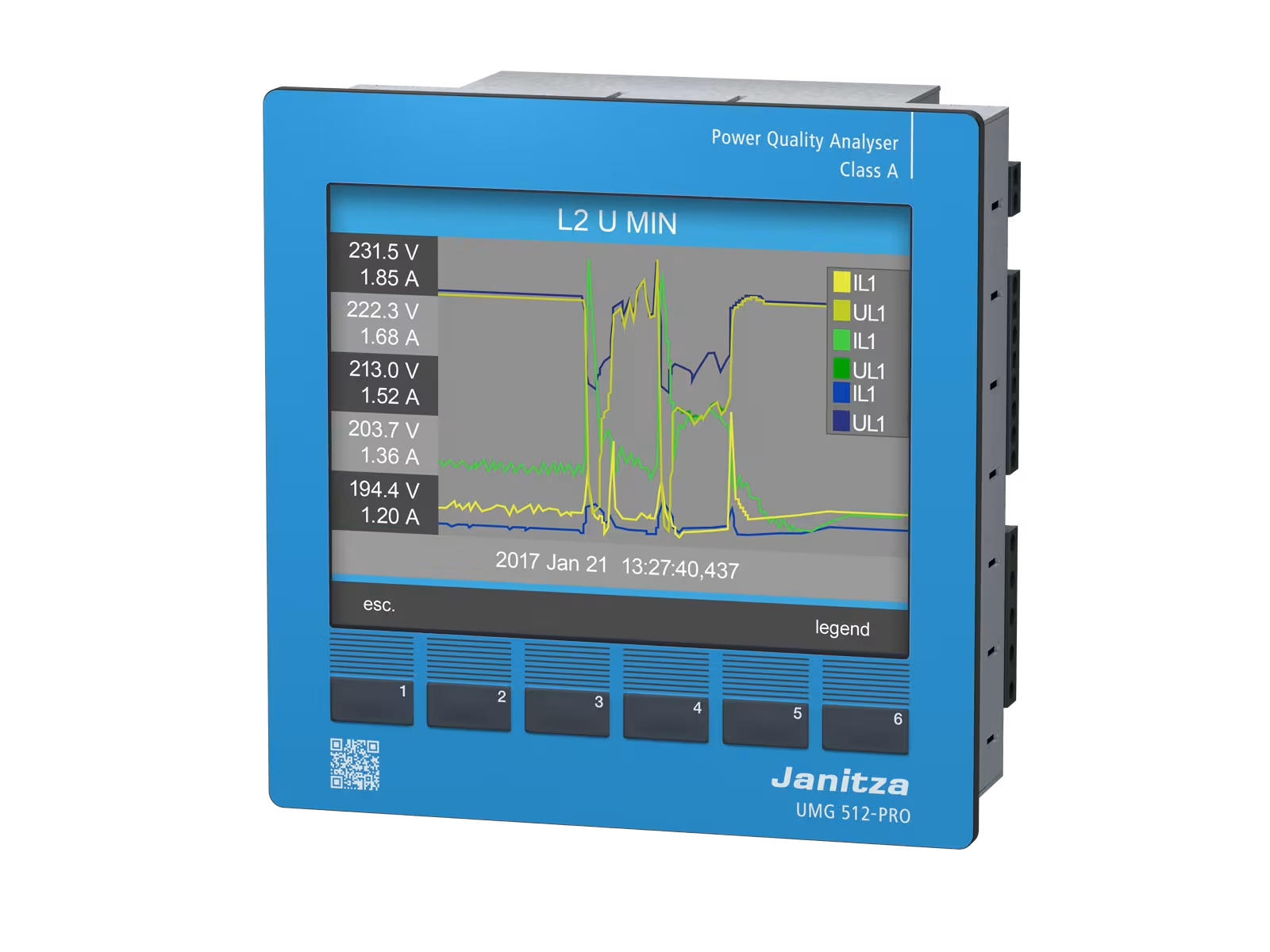
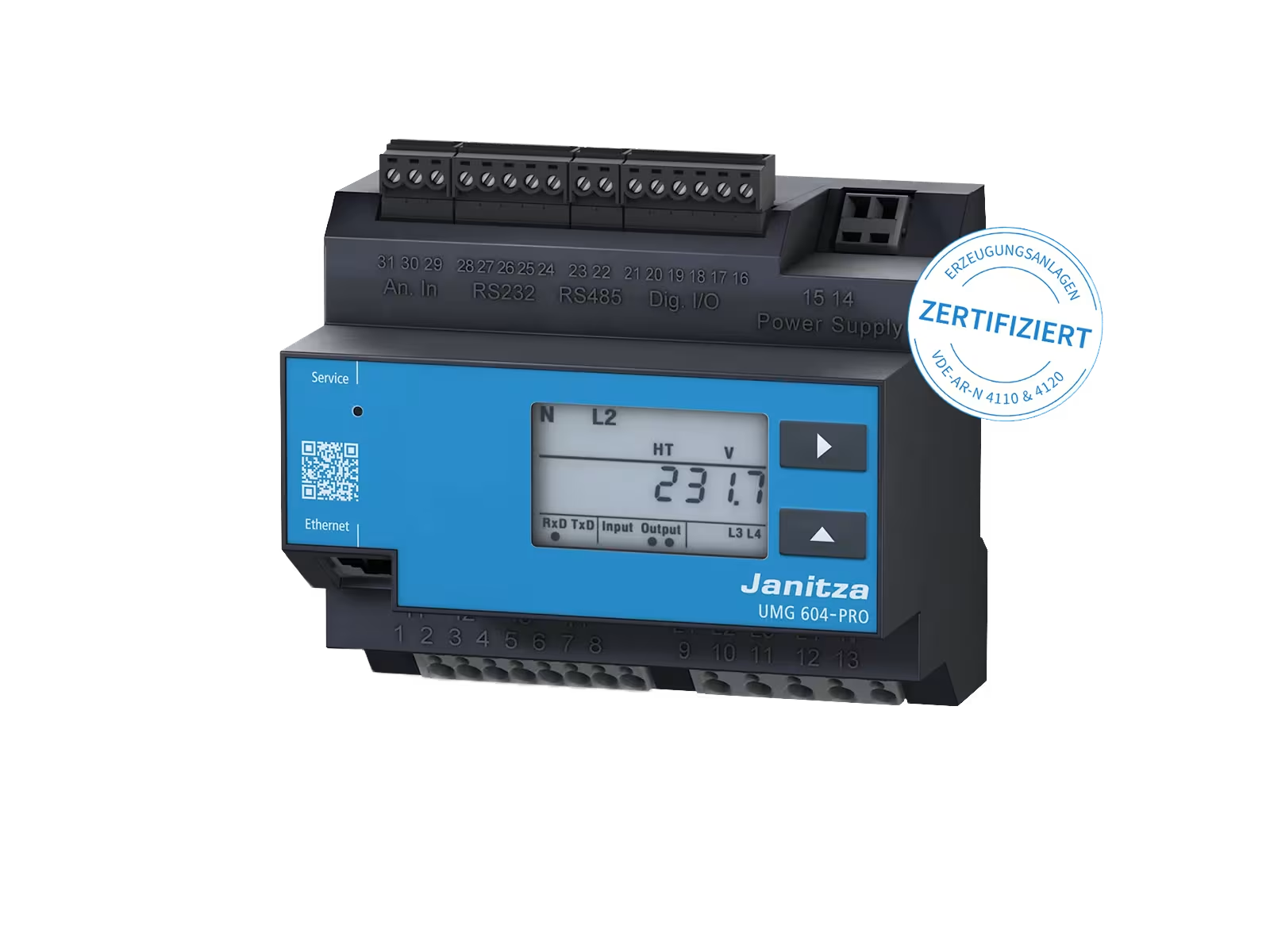
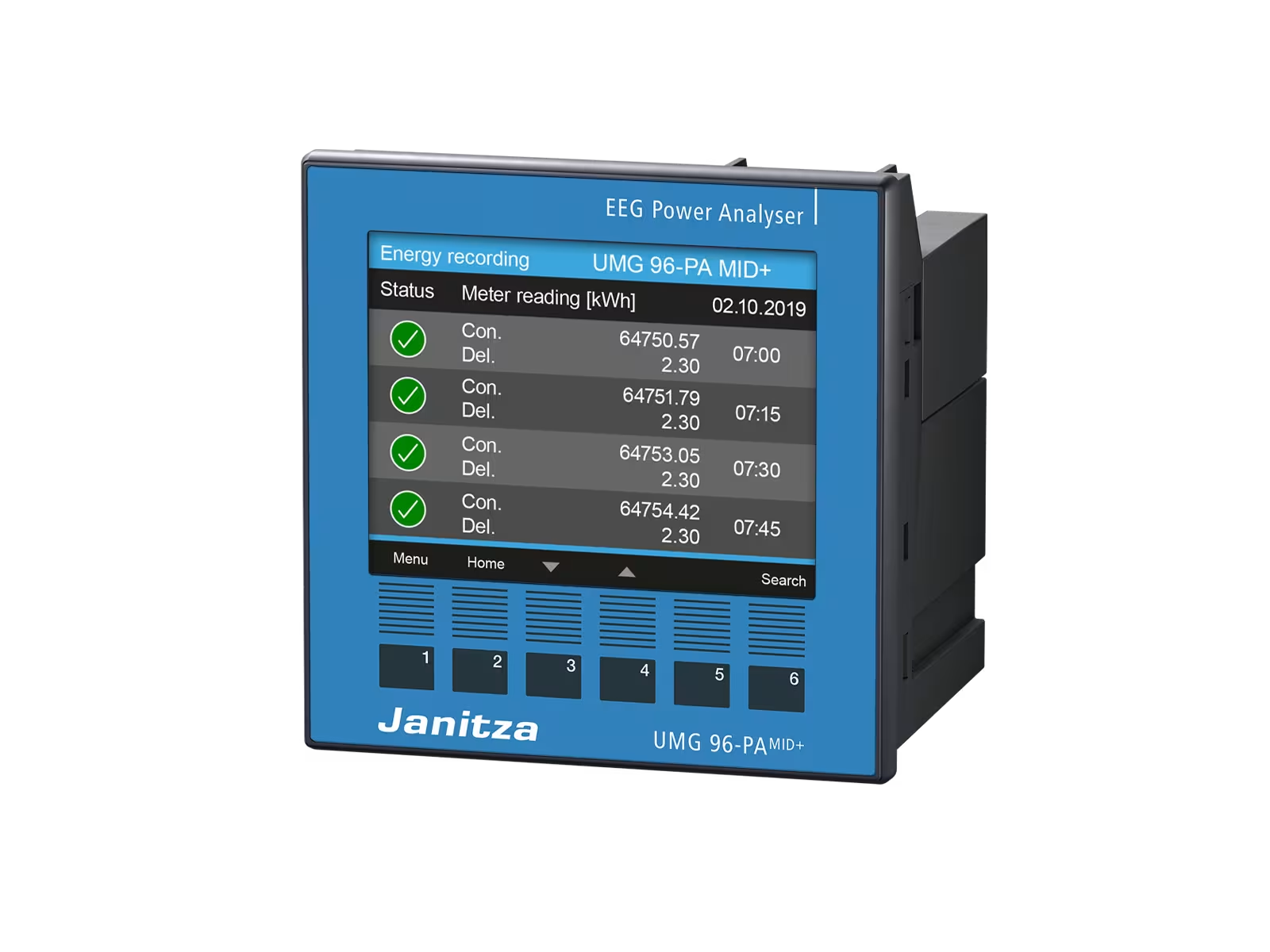
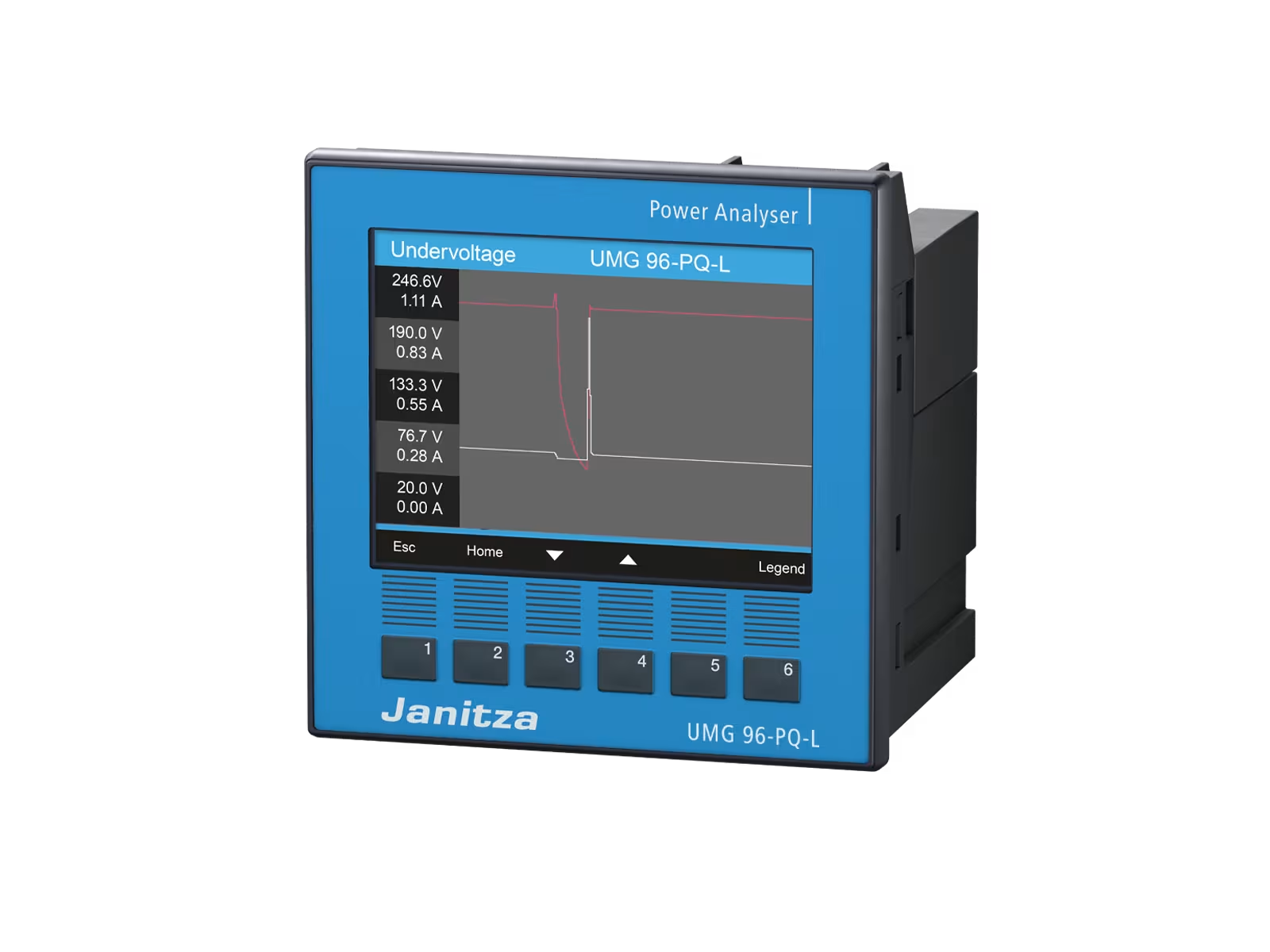
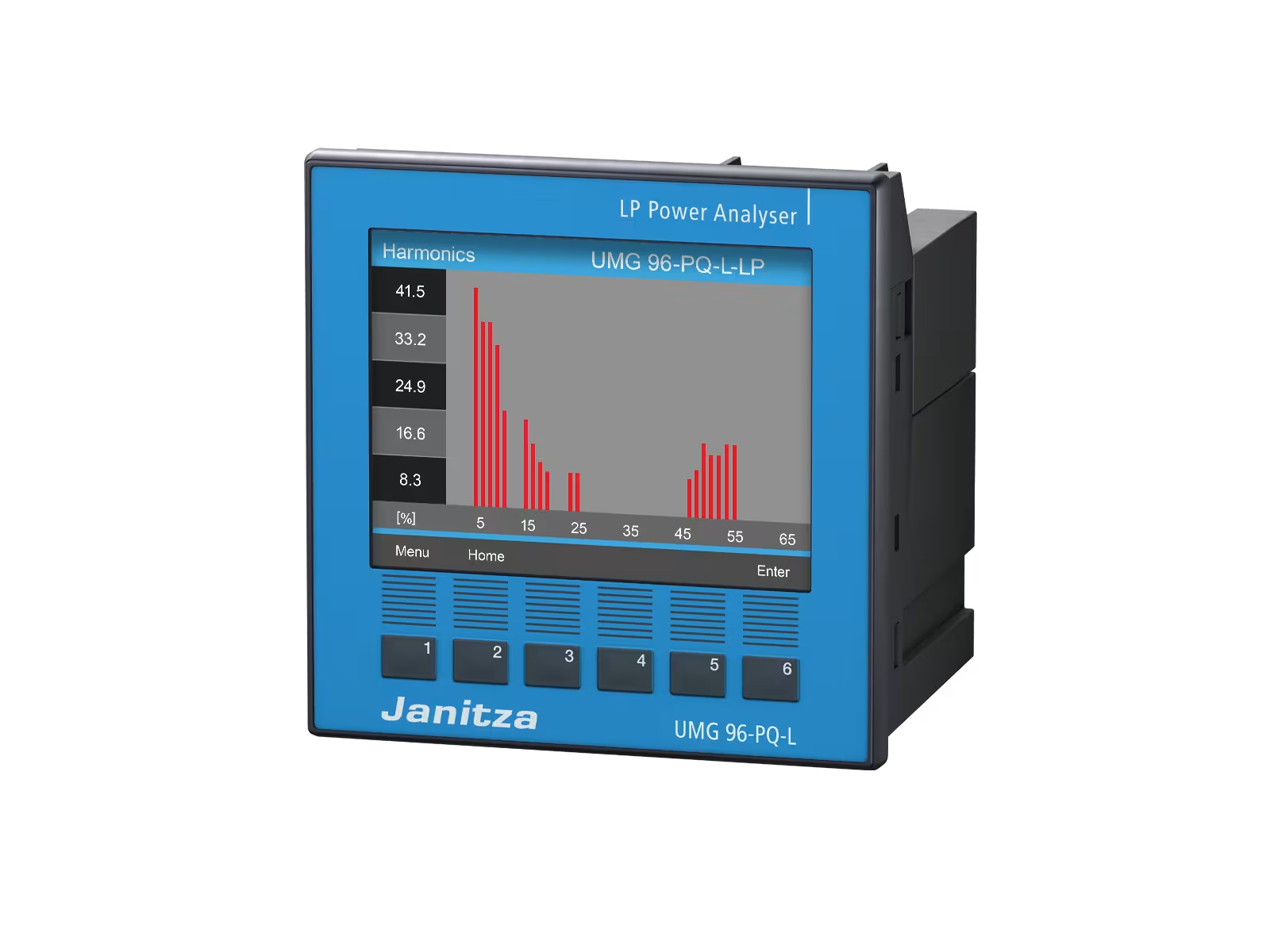
Suitable products








Janitza Software
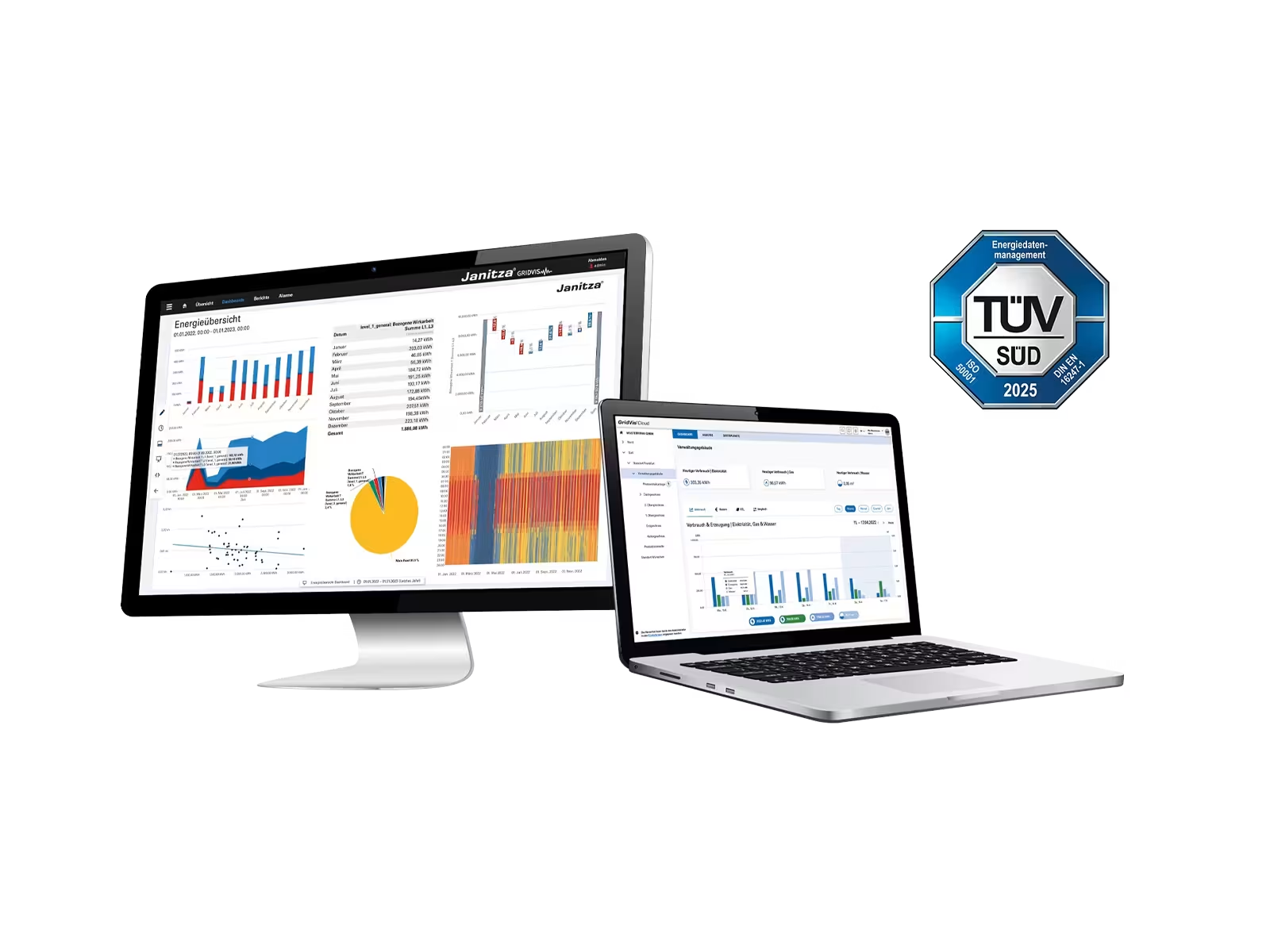
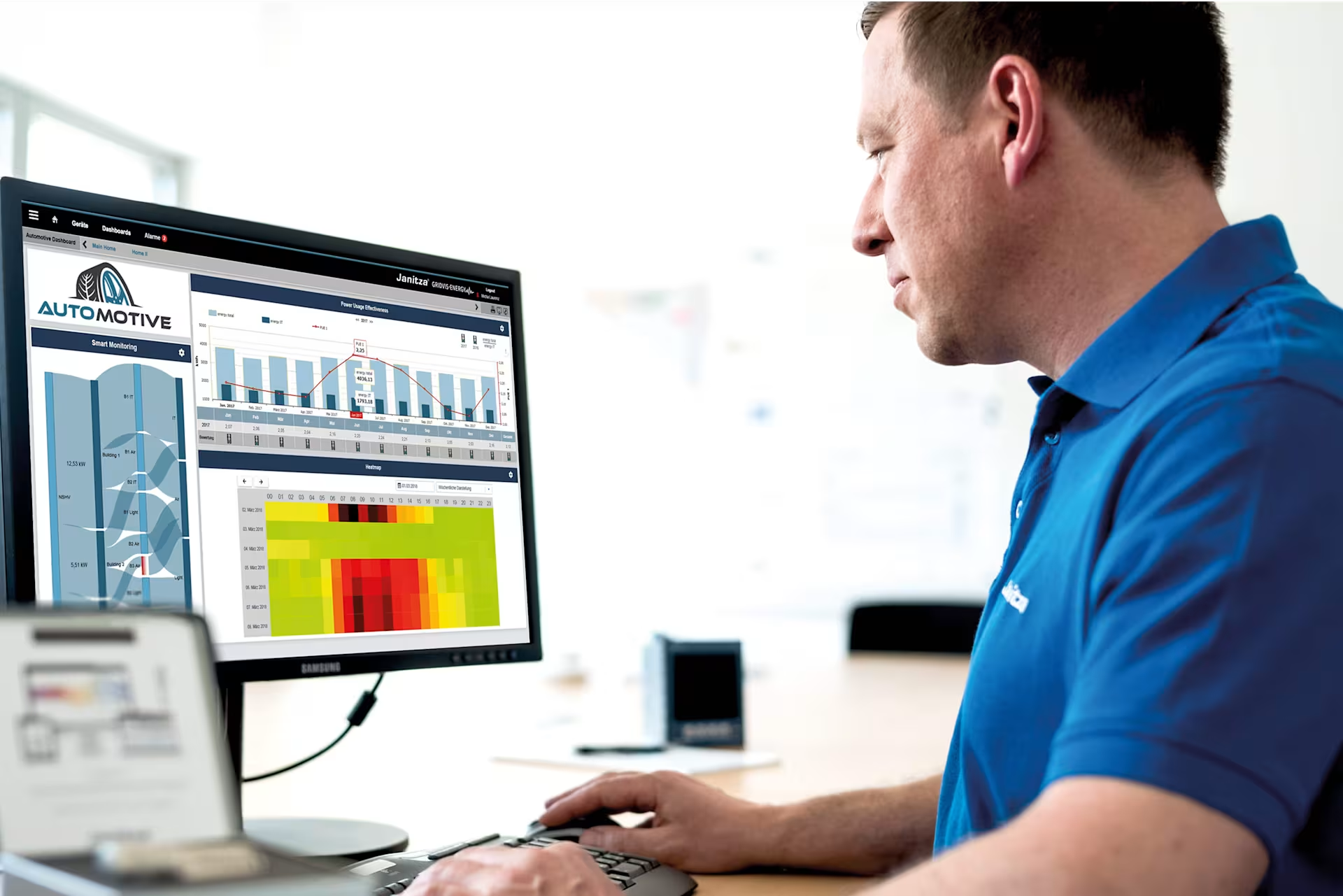
Our GridVis® software fulfils all the functions required by the DIN EN 50001 standard and gives you full control. With Janitza's GridVis® software, renewable energy generation companies retain complete control over their energy flows. It fulfils all the requirements of the DIN EN 50001 standard and forms the basis for digital, transparent energy management.
Easy to use
- User-friendly dashboards and templates
- Tutorials and e-learning courses for a quick start
- Cross-location use thanks to central licences
Comprehensive reporting
- Analysis of carbon emissions and energy consumption
- Certified ISO 50001 reports for subsidy programmes
- Special reports for residual current and power quality analyses
Simple data integration
- Integration of additional energy types such as water, gas or heat
- Open interfaces for integration of existing measurement systems
- Secure data transmission for company-wide energy management


Janitza Services
In addition to hardware and software, Janitza offers you a comprehensive service portfolio that supports you throughout the entire project – from planning and commissioning to training and ongoing operation.
Consulting and project support
- Training courses and workshops led by certified experts
- On-site and online network quality analyses
- Support from Janitza partners via remote or on-site service
Project support and implementation
- Support with planning, design and installation
- Customised measurement concepts and system integration
- Complete solutions with a central point of contact
Implementation and maintenance
- Commissioning of measurement and software solutions
- Ongoing support for operation and analysis
- Maintenance, updates and technical advice for optimising existing systems
Get personal advice now
Your request is important to us and we guarantee fast and professional processing.