SMART ENERGY FOR FUNCTIONAL BUILDINGS


Project location
Karlsruhe, Germany


Year of implementation
2024


Application
Energy management, research


Hardware
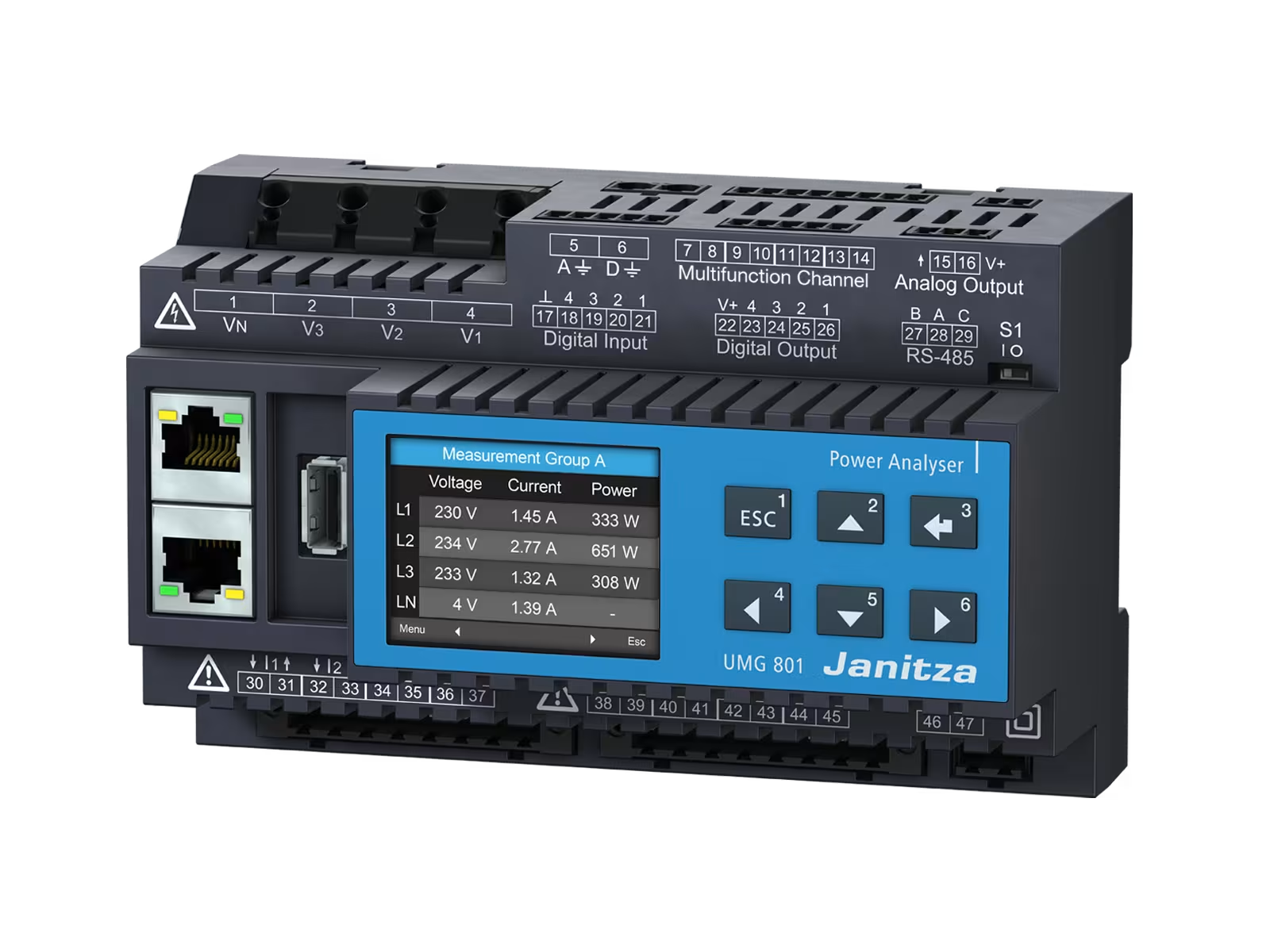
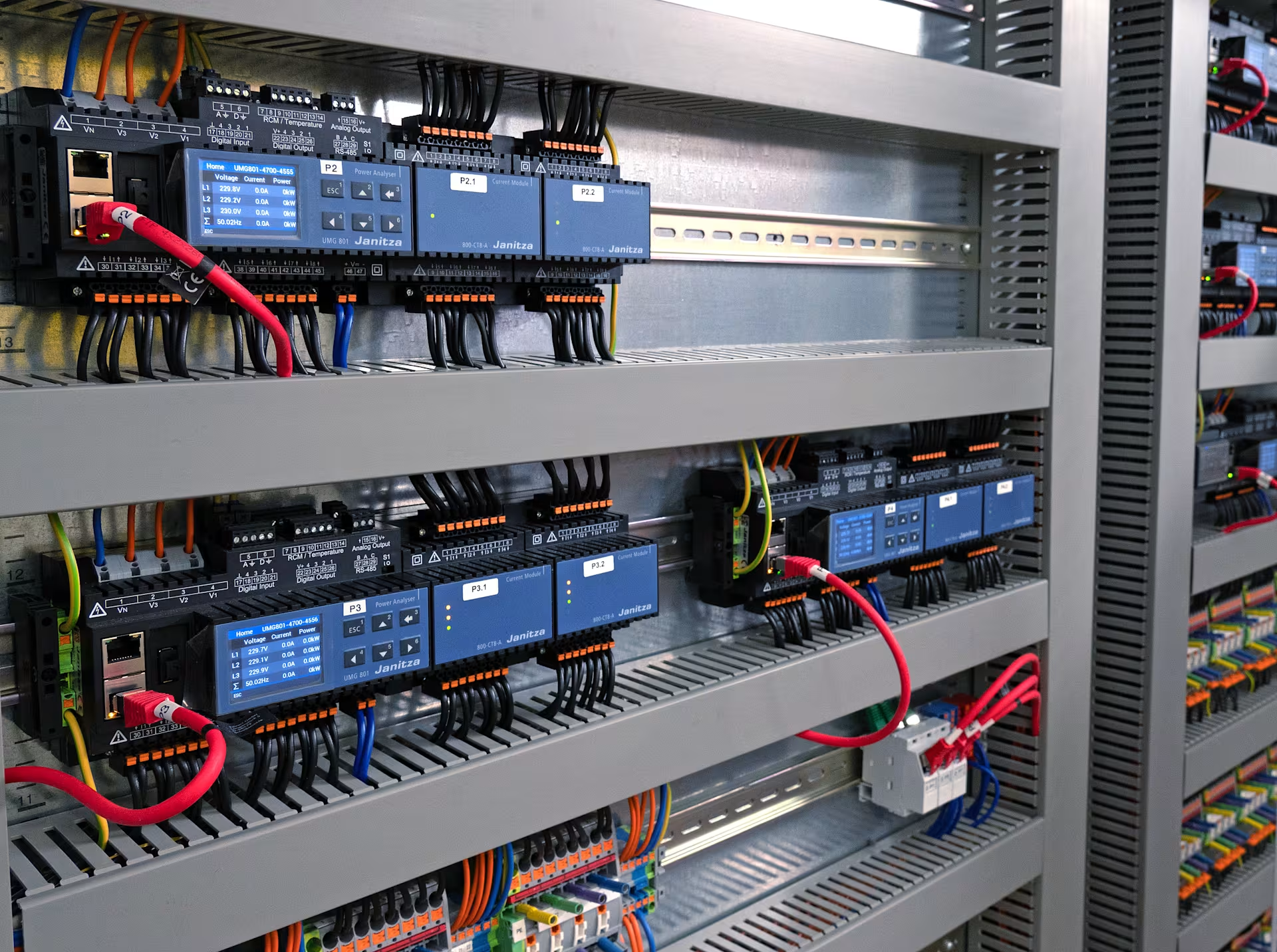
UMG 512-PRO, UMG 801 with expandable modules 800-CT8-A, UMG 605-PRO


Software
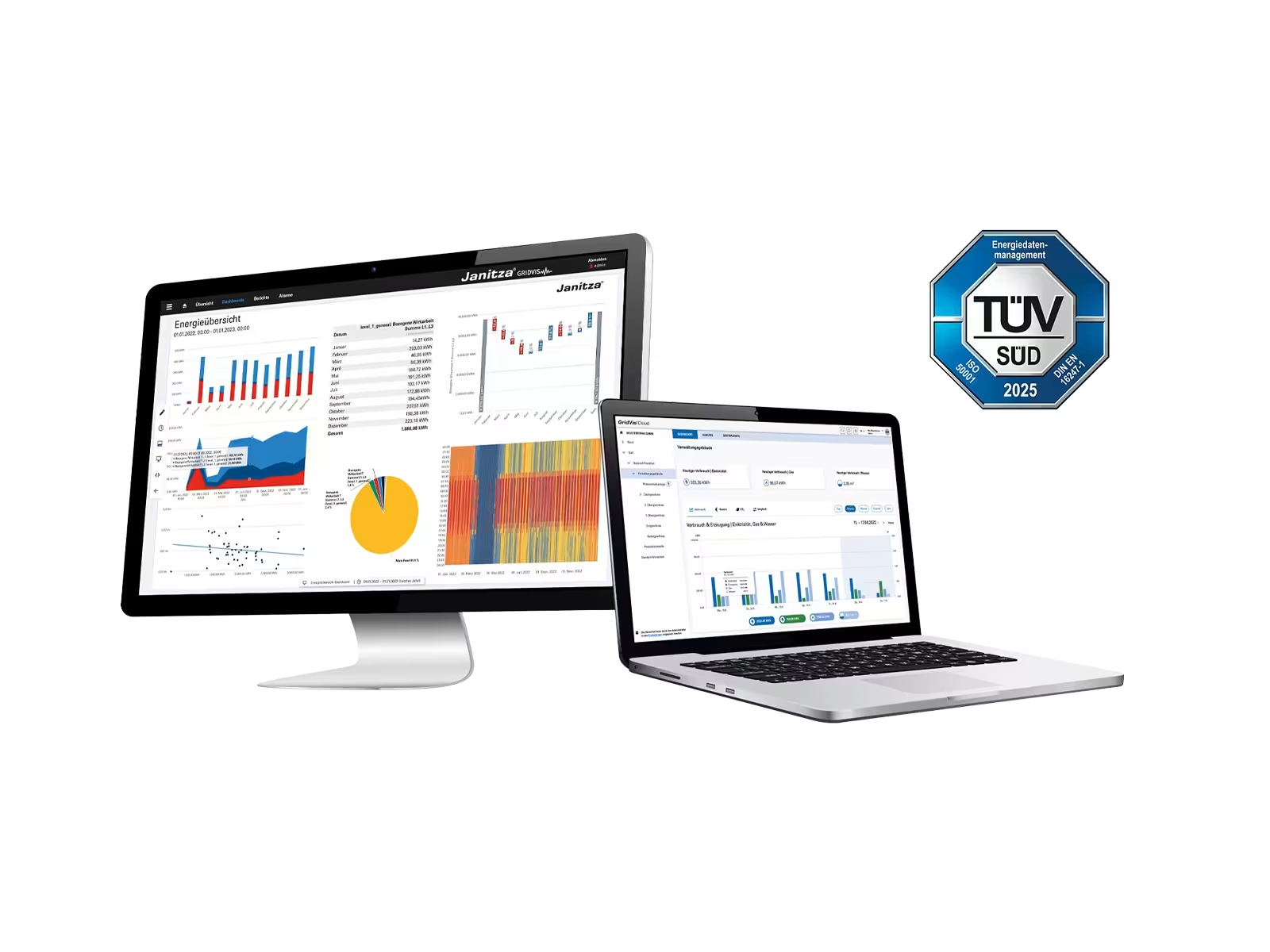
GridVis®


Service
Consulting and support

REQUIREMENT
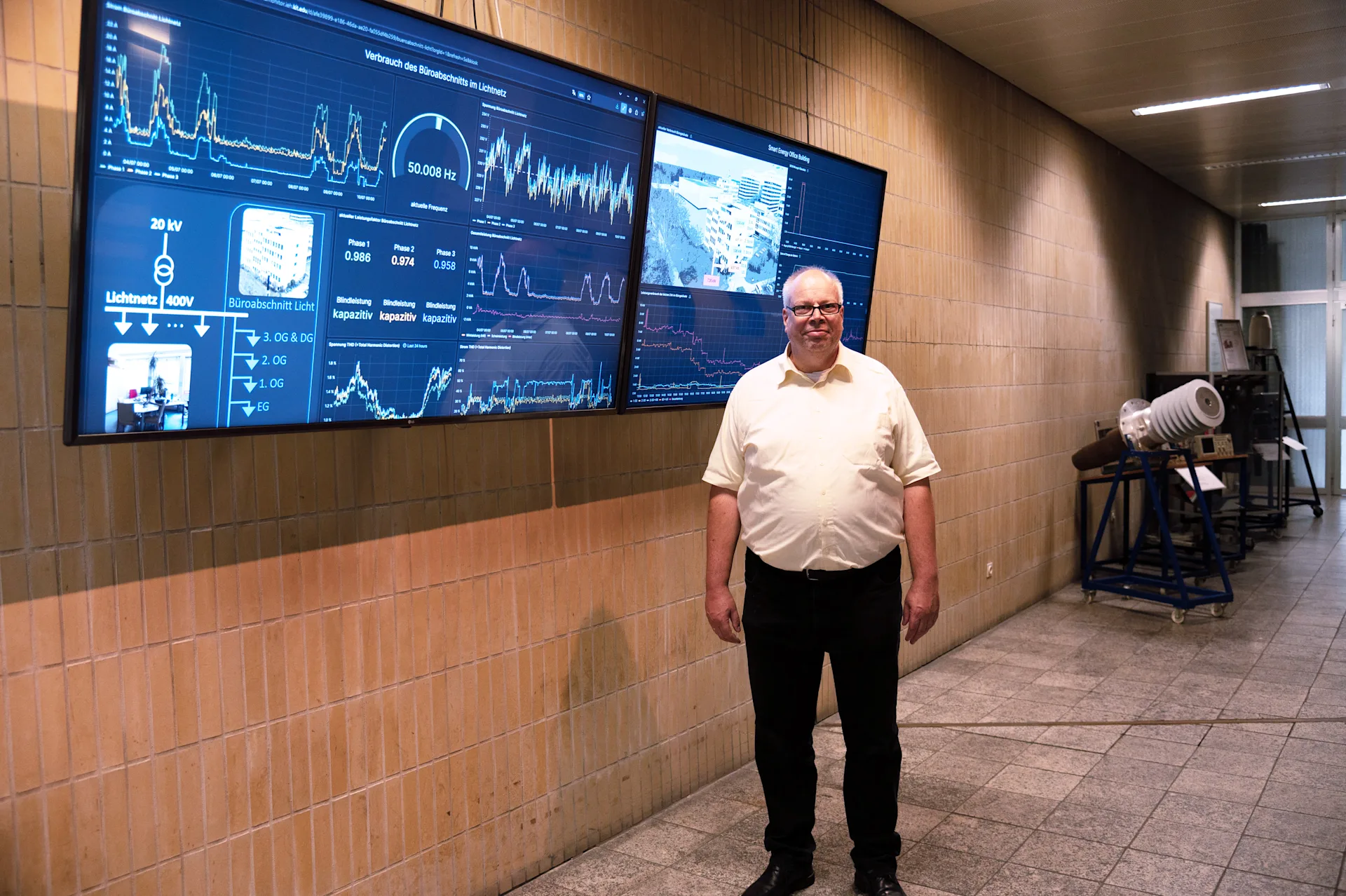
Renewable energies require intelligent consumers. The infrastructure of large-scale facilities, such as PV systems, charging stations, etc., should be designed to support the grid as much as possible. At the Karlsruhe Institute of Technology, this is being researched with the help of its own facilities. With offices, workshops and test halls, it offers a diverse range of consumers with correspondingly high energy requirements, which in future should be met in the most resource-efficient way possible. There are two ways to achieve this: either by drawing less energy from the grid overall or by coordinating shifting consumption to less critical times.
SOLUTION
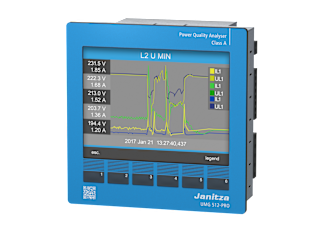
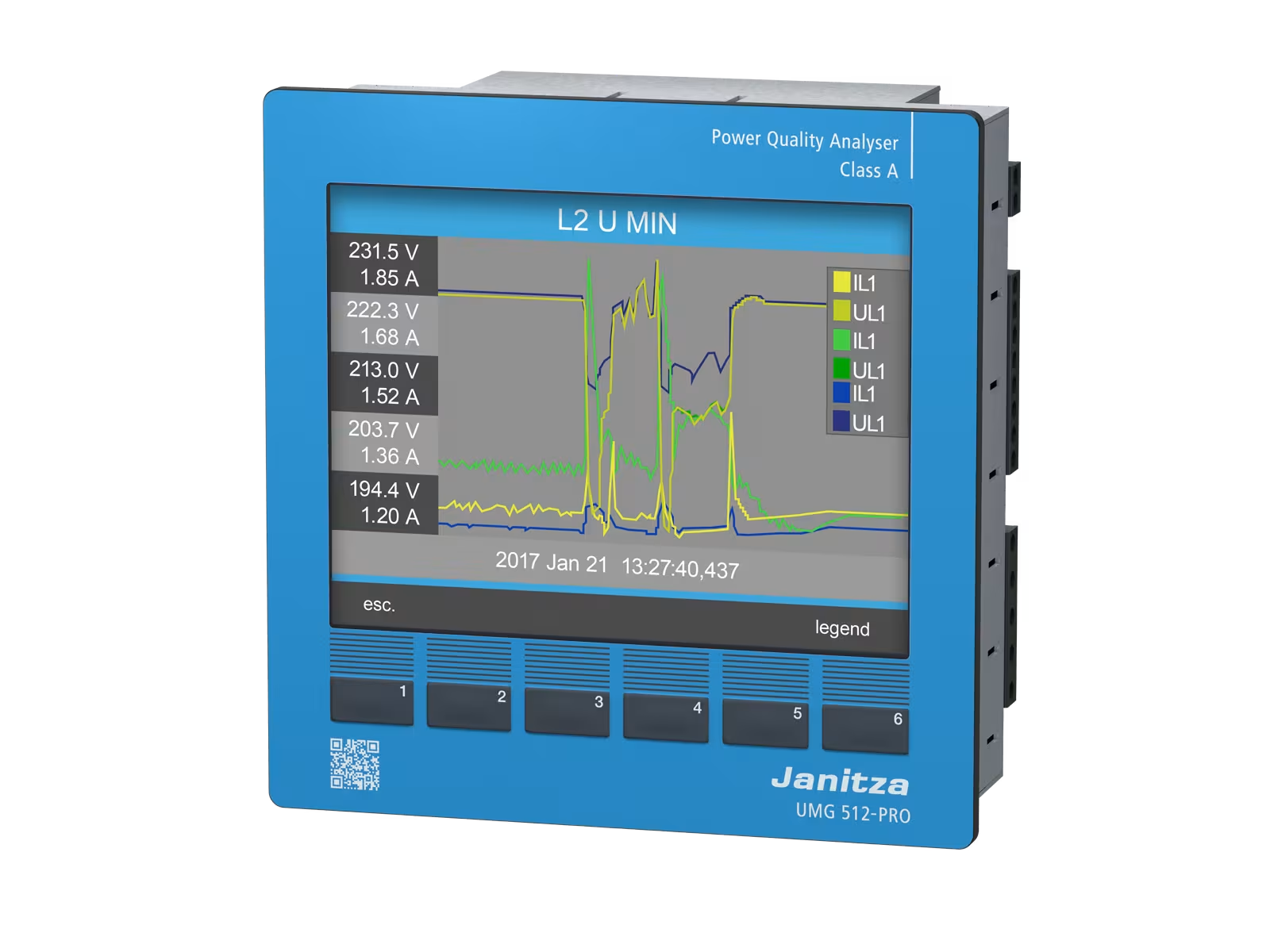
The research project is based on a real-time simulation environment in which actual systemsare connected to a simulated power grid. The parameters of the simulated grid can be varied in a very short time, with the use of real hardware ensuring a high degree of accuracy in the tests. The reason for this effort is the interactions between loads, which behave in a much more complex manner than the systems in residential units. For example, machines use different communication protocols, which lead to latency when they are connected. This requires high-resolution measurement data that can be accessed by several systems at the same time. In Karlsruhe, these are the power grid monitoring software GridVis® and the open-source application Grafana, which is designed to meet the specific requirements of research operations. GridVis® also serves as a backup to ensure the highest possible availability of measurement data. The feed-in points, i.e. transformers, were equipped with UMG 512-PRO Class A power quality analysers. UMG 801 devices were chosen for the output points. Special measurements, such as those on an inverter or an electrolyser, are performed by UMG 605-PRO power quality analysers. The connection to the installation was made using split-core current transformers from Janitza.

BENEFIT
The existing installation is a good training ground, as it is often impossible to determine exactly which consumers are connected where. The conditions are ideal for nonintrusive load monitoring (NILM). If you know the ratio of active and reactive power of a device and how long it normally operates, you can identify typical device patterns. This information can be used to improve the energy management system without the need for time-consuming individual measurements. It is even possible to synchronize processes or test setups that allow flexible operation with forecasts of surpluses from PV or wind energy. In addition, the research project has already contributed to direct energy savings.